








Measles is extremely contagious and remains a major cause of childhood death and disability worldwide, while rubella can lead to severe birth defects
Measles is a highly contagious virus, spread by contact with an infected person through coughing and sneezing. When one person has measles, 90 percent of the people they come into close contact with will become infected, if they are not already immune. Being immune means someone has been vaccinated or has previously contracted the disease. The symptoms include a high fever, severe skin rash and cough. In 2000, before the Measles & Rubella Partnership was formed, more than 761,000 children died worldwide from measles complications each year.
Measles weakens the immune system and opens the door to secondary health problems, such as pneumonia, blindness, diarrhea, and encephalitis. Approximately 30 percent of reported measles cases have one or more complications. These debilitating effects are most common in children under five and adults over twenty. Poor children are more likely to be malnourished and have severe complications from measles. Even if a child recovers, he or she can be left with permanent disabilities.
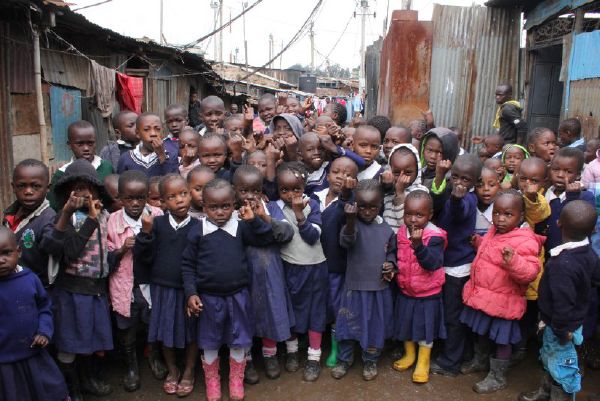
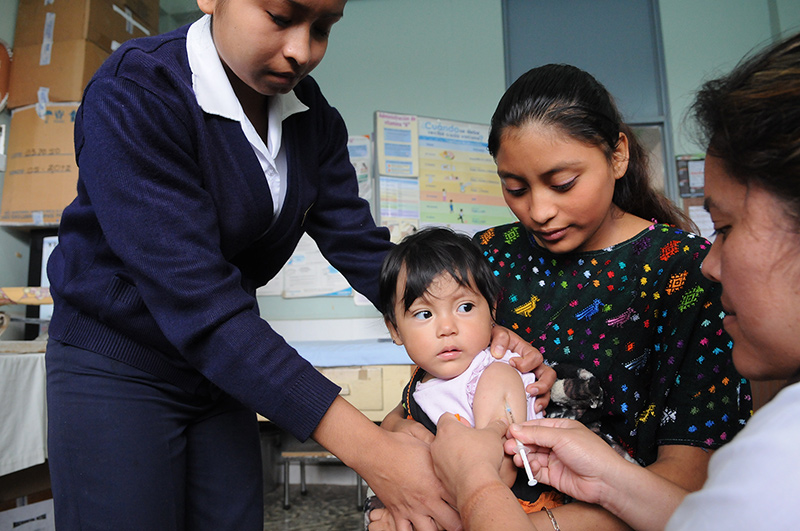
While significant progress has been made thanks to the Measles & Rubella Partnership and its supporters, in 2024 measles still killed an estimated 95,000 people – mostly children less than five years of age. That means approximately 260 people die from measles-related complications each day, or more than 10 deaths every hour. What makes this loss of life especially tragic is that measles can be completely prevented with two doses of a safe, effective and inexpensive vaccine.
Rubella is another respiratory disease that can have serious consequences for pregnant women and their children. If infected with rubella in the first trimester, women have a high risk of giving birth to a child with Congenital Rubella Syndrome (CRS). CRS often results in multiple birth defects including as heart problems, deafness and blindness. More than 32,000 children are born with CRS each year. The lifelong complications and disabilities can have an immeasurable emotional, social and financial cost for families.
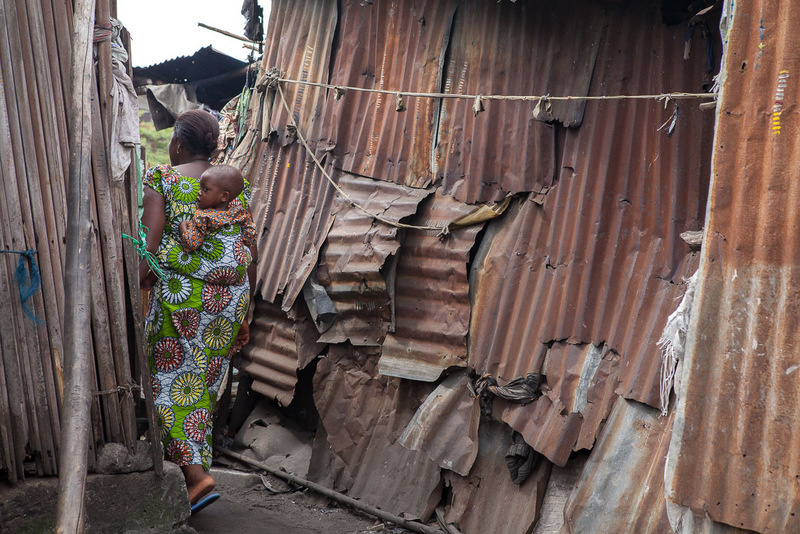
Like measles, rubella can be prevented with a safe, effective and inexpensive vaccine. This can be delivered as a rubella vaccine alone, or combined with measles vaccine (MR) or with measles and mumps vaccines (MMR). In many low- and middle-income countries, parents do not have access to immunization services that could protect their children from this fate. Factors such as poverty, poor health systems and a lack of information can make it difficult for families to secure preventative vaccinations for each of their children.
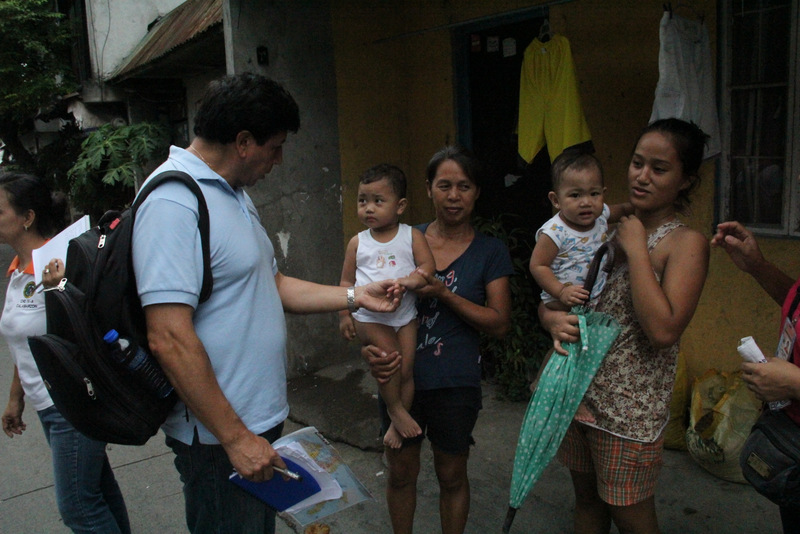
Although measles and rubella has been eliminated in a number of countries, outbreaks can occur when coverage rates drop below the necessary level to prevent transmission, even in high-income countries with strong health systems. Outbreaks can also occur when unvaccinated residents are exposed to infected people, who they may encounter through international travel.
Measles. rubella and CRS, however, are entirely preventable with a safe and effective vaccine.









 Prelude Version 2.3.2